


About me
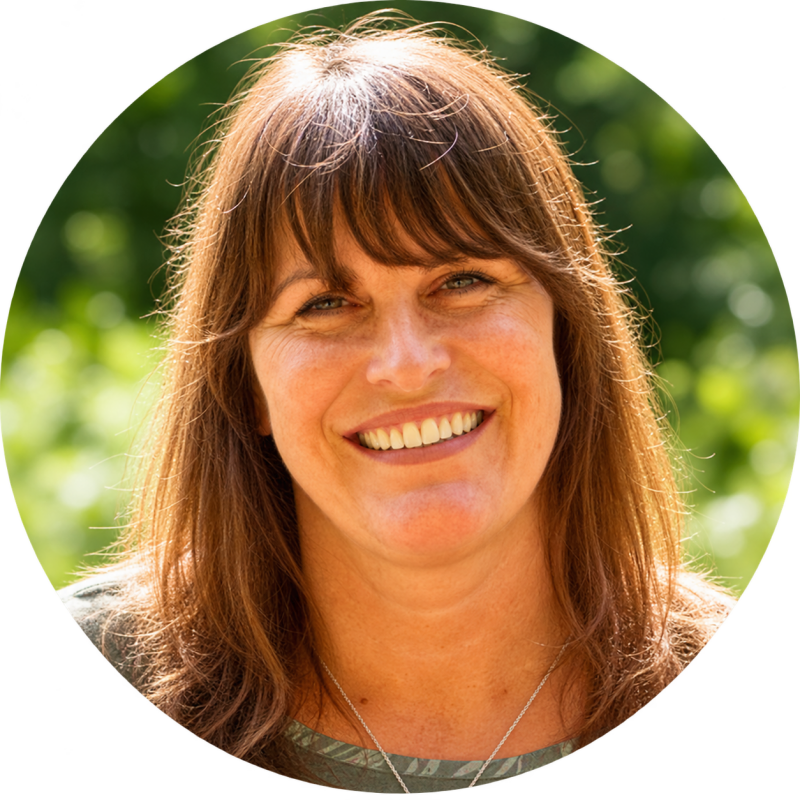
My career in health, social care and education spans more than three decades, but the reason I continue to do what I do is simple: I believe everyone deserves to be heard.
A Career Built Around People
I began my career in the late 1980s as an auxiliary nurse, originally intending to train as a nurse. Following a car accident, my career took a different direction and led me into childcare and education.
During the 1990s, I worked as a Teaching Assistant supporting children with additional needs. This helped shape my understanding of inclusion, communication and the importance of recognising the individual behind the diagnosis.
I later moved into vocational education and training, progressing from assessor to verifier and eventually Operations Director. Over ten years, I helped develop an organisation from around 30 to more than 120 staff working across a wide geographical area.
I then helped establish a new training provider, working as Director of Operations for three years before being drawn back to the classroom.
For the next seven years, I taught in a special educational needs school, working directly with children with learning disabilities, autism and complex needs. It brought me back to the heart of what matters to me: the difference that education, communication and genuine understanding can make to someone's experience of the world.
In April 2024, I joined Dorset Council as Lead Tier 2 Oliver McGowan Mandatory Training Trainer. The role brought together much of my previous experience—health and social care, teaching, leadership, communication and training—alongside the opportunity to learn directly from people with lived experience.
I am a qualified teacher (QTS), hold QTLS, and am an NHS England-approved Lead Oliver McGowan Tier 2 Trainer. I am also a Makaton Regional Tutor, having begun my Makaton journey in 2005.
Giving People a Voice
My passion for Makaton began when I met a young person with additional needs and was given a book and asked to try to understand the signs he was using.
That experience stayed with me.
It taught me that communication is about far more than words. People may communicate through signs, symbols, gestures, facial expressions, behaviour or the way they respond to the world around them.
We have a responsibility to recognise those different forms of communication and to listen.
We should never assume that someone has nothing to say simply because they cannot communicate in the way we expect.
Sometimes the most important thing we can do is ask:
“Are you okay?”
And then genuinely listen to the answer.
Why I Created Inclusive Futures
My work with the Oliver McGowan Mandatory Training has reinforced these beliefs. One of the most powerful aspects of the training is giving professionals the opportunity to meet and learn directly from people with lived experience.
A conversation can change someone's understanding. A question can challenge an assumption. Learning another way to communicate can open a door.
People with learning disabilities and autistic people should have the opportunity to be heard, understood and fully included. Sometimes that means making adjustments. Sometimes it simply means taking the time to understand how another person experiences and communicates with the world.
That is what Inclusive Futures is about.
I want to bring together my experience in health and social care, education, leadership and workforce development with my passion for learning disability, autism, communication and lived experience.
I also want to create meaningful opportunities for people with learning disabilities and autistic people, recognising lived experience as valuable expertise that can shape training, services and the future of healthcare.
My aim is for professionals to leave training thinking differently, and for people with learning disabilities and autistic people to feel listened to, respected and valued.
Because at the heart of Inclusive Futures is one simple belief:
Everyone has a voice. Sometimes we just need to learn how to listen.